

Accidents in Houston can create more than short-term inconvenience. A serious crash, fall, or injury can lead to medical bills, missed work, insurance questions, and uncertainty about whether a settlement offer is fair. This guide explains when legal help may be useful, what an injury lawyer typically does, and how injured people can prepare before speaking with a law firm.
Quick Answer
A Houston injury lawyer helps injured people understand their rights, gather evidence, communicate with insurance companies, calculate damages, and pursue compensation after an accident caused by someone else’s negligence. Legal help may be especially useful when injuries are serious, fault is disputed, medical treatment is ongoing, the insurance company is delaying the claim, or a settlement offer does not reflect the full impact of the injury.
This guide is designed for Houston residents, workers, visitors, and families who want to understand what an injury lawyer does and what steps may help protect a claim after an accident.
Key Takeaways
- Injury lawyers commonly handle car accidents, truck crashes, pedestrian injuries, motorcycle wrecks, rideshare accidents, unsafe property claims, and wrongful death cases.
- Houston’s major roadways, commercial corridors, construction zones, industrial areas, and high-traffic neighborhoods can create complex accident scenarios.
- Important evidence may include medical records, police reports, photos, witness statements, insurance letters, video footage, repair estimates, and proof of missed work.
- Texas law generally gives injured people a limited time to file a personal injury lawsuit.
- Fault matters in Texas because a person’s share of responsibility can reduce or prevent recovery.
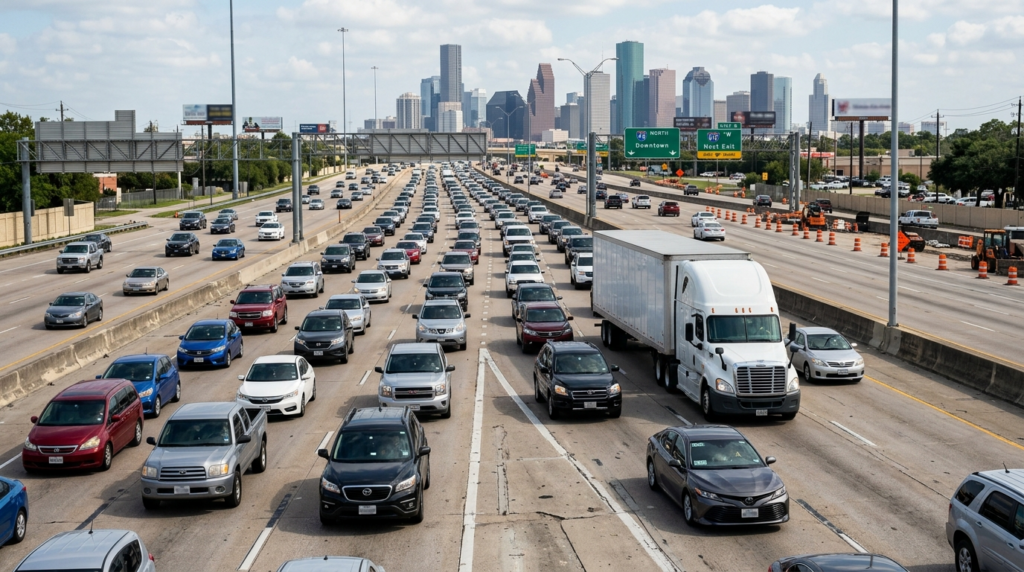
Why Houston Injury Claims Can Become Complicated
Houston is one of the largest and busiest metro areas in the country. Local traffic includes commuters, commercial trucks, rideshare vehicles, construction crews, delivery drivers, port-related traffic, and visitors moving across major roads such as I-45, I-10, I-69, Loop 610, Beltway 8, SH 288, and the Hardy Toll Road.
The City of Houston’s Vision Zero program focuses on reducing traffic deaths and serious injuries, including by prioritizing high-injury road networks. That local safety focus matters because accident injuries are not only legal events. They are health, financial, and family disruptions.
A personal injury claim may become difficult when:
- Drivers disagree about who caused the accident
- Multiple vehicles or businesses are involved
- Medical treatment continues for months
- The insurance company questions the injury
- The injured person has prior medical conditions
- A commercial vehicle or rideshare company is involved
- The settlement offer does not cover future costs
- Evidence is missing or disappearing
An injury lawyer’s role is to help organize these issues and protect the injured person’s claim.
What Does a Houston Injury Lawyer Do?
An injury lawyer represents people who were harmed because another person, company, property owner, driver, or organization acted carelessly or failed to follow safety rules.
Common responsibilities may include:
- Reviewing the facts of the accident
- Identifying all potentially liable parties
- Gathering evidence
- Reviewing police reports or incident reports
- Collecting medical records and bills
- Speaking with witnesses
- Communicating with insurance adjusters
- Calculating damages
- Negotiating settlement offers
- Preparing a lawsuit if needed
- Explaining legal deadlines and claim risks
A lawyer may also help an injured person avoid mistakes, such as giving broad recorded statements, accepting blame too early, signing a release before treatment is complete, or waiting too long to act.
When Should You Consider Hiring an Injury Lawyer?
Not every accident requires legal representation. A minor incident with no injuries and simple property damage may be handled directly through insurance. However, more serious cases often require a closer look.
You may want to speak with a Houston accident lawyer if:
- You needed emergency medical treatment
- You were hospitalized
- You missed work
- The accident involved a commercial truck
- A pedestrian, cyclist, motorcyclist, or child was injured
- The insurance company is blaming you
- The other driver was uninsured or underinsured
- The insurer is delaying or denying the claim
- Your injuries may require future treatment
- You received a low settlement offer
- A loved one died because of the accident
The more serious the injury, the more important it becomes to understand the full value of the claim before signing anything.
Common Injury Cases in Houston
Car Accidents
Car accident claims may involve distracted driving, speeding, unsafe lane changes, red-light violations, impaired driving, tailgating, or aggressive driving. In Houston, freeway congestion and high-speed roadways can make even ordinary collisions more serious.
A car accident lawyer may review crash reports, photos, vehicle damage, medical records, witness details, and insurance coverage to determine how the claim should be handled.
Truck Accidents
Houston is a major commercial transportation hub, so truck accidents can involve complex evidence and multiple responsible parties. A truck crash may involve the driver, the trucking company, the cargo loader, the maintenance provider, or another business connected to the vehicle or shipment.
Evidence may include:
- Driver logs
- Inspection reports
- Maintenance records
- Black box data
- Cargo records
- Dispatch documents
- Company safety policies
- Hiring and training records
Truck accident claims often require fast evidence preservation because important records can be lost, changed, or overwritten.
Motorcycle Accidents
Motorcyclists have less physical protection than people inside passenger vehicles. A collision may cause fractures, road rash, spinal injuries, traumatic brain injuries, nerve damage, or permanent scarring.
These cases can also involve unfair assumptions about riders. Strong evidence can help show whether another driver failed to yield, changed lanes unsafely, followed too closely, or failed to check blind spots.
Pedestrian and Bicycle Injuries
Pedestrians and cyclists are vulnerable in collisions with cars, trucks, buses, and rideshare vehicles. These claims may involve crosswalks, traffic signals, lighting, visibility, road design, driver distraction, or failure to yield.
Pedestrian and bicycle injuries may occur near downtown areas, transit stops, school zones, universities, apartment complexes, shopping areas, and high-speed arterial roads.
Rideshare Accidents
Rideshare claims can be complicated because insurance coverage may depend on whether the driver was offline, waiting for a ride request, traveling to pick up a passenger, or actively transporting someone.
A lawyer may review app status, trip records, driver information, insurance policies, and crash evidence to determine which coverage may apply.
Unsafe Property Injuries
Injury claims may also arise from dangerous property conditions. These can happen at grocery stores, apartment complexes, hotels, restaurants, retail centers, parking lots, offices, entertainment venues, or construction-adjacent areas.
Examples include:
- Wet floors
- Poor lighting
- Broken stairs
- Loose handrails
- Uneven walkways
- Falling merchandise
- Unsafe parking lots
- Negligent security
- Hazards without warning signs
A property injury claim may require evidence that the owner or manager knew or reasonably should have known about the dangerous condition.
Wrongful Death Claims
When an accident causes a fatal injury, surviving family members may have legal rights. Wrongful death claims are emotionally difficult and legally sensitive because they may involve funeral costs, lost financial support, loss of companionship, and other damages.
What to Bring to a Legal Consultation
A first consultation is easier when the injured person has basic documents ready. You do not need every record before contacting a lawyer, but the following information can help:
- Accident date, time, and location
- Police report or incident report number
- Photos and videos from the scene
- Driver and insurance information
- Witness names and contact details
- Medical records
- Medical bills
- Prescription receipts
- Vehicle repair estimates
- Proof of missed work
- Emails or letters from insurance companies
- Notes about symptoms and daily limitations
The Texas Department of Transportation’s crash reports and records page is a useful official resource for understanding crash report information in Texas.

Questions to Ask Before Hiring a Lawyer
Choosing the right law firm should not feel rushed. A useful consultation should give the injured person a clearer understanding of the process.
Consider asking:
Have you handled cases like mine before?
A car accident claim may be different from a truck accident, premises liability claim, rideshare crash, or wrongful death case. Relevant experience matters.
Who will handle my case day-to-day?
Ask whether your main contact will be an attorney, a case manager, a paralegal, or an intake specialist.
How will you communicate updates?
Clear communication matters during a stressful injury claim. Ask how often updates are provided and how quickly the firm responds to questions.
What challenges do you see in my claim?
No lawyer can guarantee an outcome. A realistic lawyer should be able to explain possible strengths, weaknesses, and risks.
How are fees handled?
Many personal injury firms work on a contingency fee basis, meaning the lawyer is paid from the recovery if the case is successful. Ask how the percentage works and whether case expenses are deducted separately.
What is the likely timeline?
Some claims settle quickly, while others take longer because of medical treatment, insurance disputes, litigation, or complex evidence.
How a Lawyer Builds an Injury Claim
An injury claim usually depends on four major elements: duty, breach, causation, and damages.
Duty
The responsible party had a legal obligation to act with reasonable care. Drivers, companies, property owners, employers, and other parties may owe duties depending on the facts.
Breach
The responsible party failed to meet that obligation. Examples include speeding, texting while driving, failing to clean a spill, ignoring a dangerous condition, or violating safety rules.
Causation
The careless conduct caused the injury. Medical records, expert opinions, crash analysis, and timeline evidence may help connect the accident to the harm suffered.
Damages
The injured person suffered measurable losses. These may include medical expenses, lost income, pain, emotional distress, reduced mobility, or future care needs.

ALT Tag: Insurance claim review with medical bills and repair estimate documents
How Insurance Companies Evaluate Injury Claims
Insurance companies often review claims based on risk and documentation. They may consider:
- Who appears to be at fault
- Whether the accident was reported
- Whether medical care began quickly
- The severity of the injuries
- Whether treatment was consistent
- Whether the claimant had prior injuries
- Available insurance coverage
- Witness statements
- Photos or videos
- Vehicle damage
- Statements made by the injured person
- Whether the case could succeed in court
Insurance companies may also look for reasons to reduce payment. They may argue that the injured person was partly responsible, waited too long to get treatment, had pre-existing symptoms, or requested more compensation than the documentation supports.
Texas Laws That May Affect an Injury Claim
Statute of Limitations
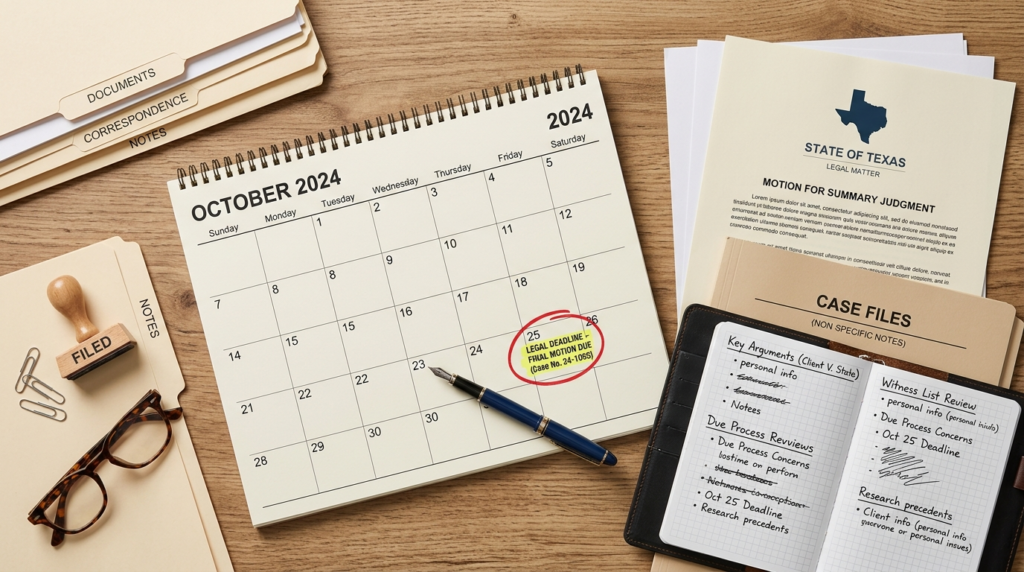
Texas personal injury lawsuits are subject to filing deadlines. In many cases, Texas Civil Practice and Remedies Code Section 16.003 gives a person two years to bring a personal injury lawsuit from the date the cause of action accrues.
That does not mean someone should wait. Evidence may disappear, vehicles may be repaired, witnesses may become difficult to reach, and video footage may be erased.
Some cases may involve shorter notice requirements, especially if a government entity is involved.
Shared Fault
Texas uses a proportionate responsibility rule. Under Texas Civil Practice and Remedies Code Section 33.001, a claimant may not recover damages if their percentage of responsibility is greater than 50%.
This is important because fault disputes can directly affect the value of a claim. If an insurance company tries to shift blame, evidence becomes especially important.
What Compensation May Be Available?
The value of an injury claim depends on the facts, the severity of the injury, the available insurance coverage, and the evidence supporting damages.
Compensation may include:
- Emergency room treatment
- Hospital bills
- Surgery
- Physical therapy
- Medication
- Follow-up appointments
- Future medical care
- Lost wages
- Reduced earning capacity
- Property damage
- Pain and suffering
- Emotional distress
- Disability or impairment
- Loss of enjoyment of life
- Funeral and burial expenses in wrongful death cases
A settlement should account for the full impact of the injury, not just the first medical bill or the first repair estimate.
Mistakes That Can Hurt an Injury Claim
Injured people often make mistakes because they are stressed, overwhelmed, or unfamiliar with how insurance claims work.
Avoid these common errors:
- Delaying medical care
- Missing follow-up appointments
- Failing to report the accident
- Not taking photos
- Losing witness information
- Posting accident details on social media
- Giving recorded statements without preparation
- Accepting blame too quickly
- Signing a settlement release too early
- Throwing away damaged property
- Ignoring legal deadlines
A careful approach can help protect both the legal claim and the injured person’s long-term interests.
Why Local Knowledge Matters in Houston
A Houston injury claim may involve local roads, local police agencies, area medical providers, nearby businesses, traffic cameras, local repair shops, regional insurers, and Harris County procedures.
A local legal team may better understand accident patterns around:
- I-45
- I-10
- I-69 / US-59
- Loop 610
- Beltway 8
- SH 288
- Downtown Houston
- The Texas Medical Center area
- Galleria-area commercial traffic
- Port and industrial corridors
- Construction-heavy neighborhoods
Working with an accident lawyer houston tx residents can contact may help make the process easier when the case depends on local facts, evidence, and insurance practices.
Simple Checklist Before You Contact a Lawyer
Before contacting a law firm, prepare what you can:
- Write down how the accident happened
- Save photos and videos
- Keep the police report number
- Gather medical records and bills
- Save insurance messages
- Keep repair estimates
- Track missed work
- Make a list of witnesses
- Note pain levels and daily limitations
- Avoid signing settlement paperwork too quickly
- Ask about deadlines early
FAQ
How soon should I call an injury lawyer after an accident?
It is usually better to call early if injuries are serious, fault is disputed, or insurance issues have started. Early guidance may help preserve evidence and avoid mistakes.
Do I need a lawyer if the insurance company has already made an offer?
Maybe. A quick offer may not include future medical treatment, loss of earning capacity, ongoing pain, or long-term complications. Before signing a release, make sure the settlement reflects the full impact of the injury.
What if I were partly responsible?
You may still have a claim if your share of fault does not bar recovery under Texas law. However, compensation may be reduced by your percentage of responsibility. Evidence is important in shared-fault cases.
How much does an injury lawyer cost?
Many personal injury lawyers use contingency fees. That means they are paid from the recovery if the case is successful. The fee agreement should explain the percentage and any case expenses.
How long does a Houston injury claim take?
The timeline depends on medical treatment, injury severity, insurance cooperation, disputed facts, available evidence, and whether a lawsuit is needed. Some claims resolve in months, while more complex cases can take longer.
What should I avoid after an accident?
Avoid delaying treatment, giving broad recorded statements, posting about the accident online, accepting blame without all the facts, signing releases too early, and missing legal deadlines.
Do all injury cases go to court?
No. Many cases settle through insurance negotiations. A lawsuit may be necessary if the insurer denies responsibility, undervalues damages, or refuses to negotiate in good faith.
Final Thoughts
Hiring an injury lawyer is not only about filing a lawsuit. It is about understanding the claim, protecting evidence, dealing with insurance companies, and making informed decisions after a serious accident.
Houston injury claims can involve busy freeways, commercial vehicles, unsafe properties, rideshare disputes, complex insurance coverage, and long-term medical concerns. A careful, organized approach can help injured people avoid rushed decisions and better understand their options.
This guide is for general informational purposes only and is not legal advice. Anyone dealing with a specific injury claim should speak with a qualified legal professional about their situation.