


After an injury accident, many people have the same question:
“What compensation can I actually recover?”
The answer depends on the details of the case.
There is no single amount that applies to every injury claim.
A person injured in a car crash may experience completely different losses than someone injured in a workplace accident, a slip and fall, or another type of incident.
Georgia injury claims often focus on one central question:
How did the injury change the person’s life?
That may include:
- Medical treatment
- Time away from work
- Physical pain
- Emotional effects
- Property damage
- Future limitations
- Changes to daily activities
Understanding the different categories of damages can help injured people know what information matters when documenting a claim.
Quick Answer
Depending on the facts of the case, Georgia injury victims may seek compensation for damages such as:
- Medical expenses
- Future medical treatment
- Lost wages
- Reduced earning ability
- Pain and suffering
- Emotional distress
- Property damage
- Loss of enjoyment of life
- Other accident-related losses
Georgia law generally allows injured parties to seek damages that are supported by evidence and connected to the injury.
The exact damages available depend on factors such as:
- How the accident happened
- The severity of injuries
- Available insurance coverage
- Evidence supporting losses
- Whether another party is legally responsible
Understanding Damages In A Georgia Injury Claim
The word “damages” simply refers to losses suffered because of an injury.
A claim is not only about the accident itself.
It is about what happened afterward.
Imagine two people involved in similar crashes.
One person returns to normal activities within days.
The other requires surgery, misses months of work, and needs ongoing treatment.
The damages may look very different.
That is why injury claims require looking beyond the accident report.
Economic Damages: The Financial Cost Of An Injury
Economic damages are losses that usually have a measurable financial value.
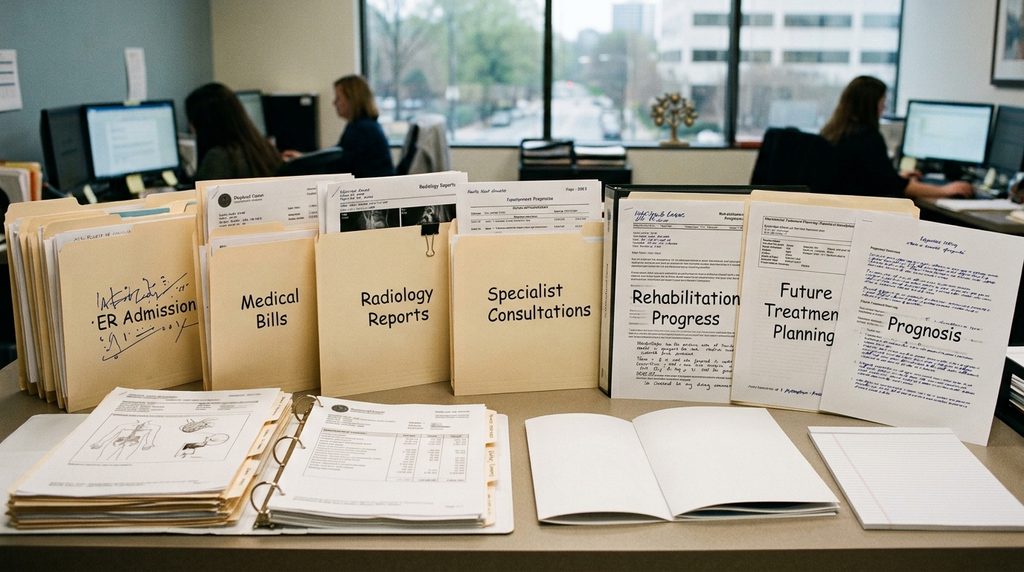
They are often supported by documents such as:
- Medical bills
- Pay records
- Receipts
- Repair estimates
- Employment records
These damages help show the financial impact of the accident.
Medical Expenses
Medical costs are one of the most common categories of injury damages.
They may include:
- Emergency room treatment
- Doctor visits
- Hospital care
- Surgery
- Physical therapy
- Medication
- Medical equipment
- Specialist appointments
The type and duration of treatment can depend on the injury.
A broken bone, spinal injury, or traumatic injury may require very different care than a minor injury.
Future Medical Treatment
Some injuries do not end when the first medical bills arrive.
A person may need:
- Additional procedures
- Rehabilitation
- Long-term therapy
- Follow-up appointments
- Ongoing medication
Future medical expenses can become an important part of a claim when supported by appropriate medical evidence.
The challenge is showing what future care may reasonably be needed.
That is why medical records and professional opinions are often important.
Lost Wages And Income Loss
An injury can affect more than medical expenses.
It can affect a person’s ability to earn money.
Lost income damages may involve:
- Missed workdays
- Reduced hours
- Lost overtime
- Missed employment opportunities
- Changes in job duties
For example:
A construction worker with a serious leg injury may not be able to return to the same duties immediately.
An office worker may miss weeks because of treatment and recovery.
The financial effect depends on the individual situation.
Reduced Future Earning Ability
Some injuries create long-term limitations.
A person may recover physically but still experience changes in their ability to work.
Examples may include:
- Inability to perform previous job duties
- Reduced work capacity
- Need to change careers
- Reduced earning potential
These claims often require detailed documentation.
Important information may include:
- Employment history
- Current wages
- Medical limitations
- Vocational information
Property Damage
Many injury accidents also involve damaged property.
Examples include:
- Vehicle repairs
- Vehicle replacement costs
- Damaged personal items
Property damage is usually considered separately from bodily injury damages.
For example:
A person injured in a crash may have:
- Vehicle repair costs
- Medical bills
- Lost income
- Pain and suffering
Each category represents a different type of loss.
Non-Economic Damages: The Personal Impact
Not every injury loss comes with a simple receipt.
Some effects are personal.
Georgia injury claims may include consideration of losses such as:
- Physical pain
- Emotional suffering
- Loss of normal activities
- Permanent limitations
These damages can be more difficult to measure because they involve the person’s experience.
Pain And Suffering
Pain and suffering generally refers to the physical and emotional effects of an injury.
Examples may include:
- Daily discomfort
- Recovery challenges
- Restrictions on activities
- Sleep difficulties
- Ongoing symptoms
The severity and duration of the injury often influence how these losses are evaluated.
Emotional Distress
Serious accidents can affect people emotionally.
Someone may experience:
- Anxiety after an accident
- Fear while driving
- Stress from medical treatment
- Frustration from physical limitations
The emotional impact can become part of the overall injury picture.
Loss Of Enjoyment Of Life
An injury can change how someone spends their time.
A person may no longer be able to:
- Participate in hobbies
- Exercise normally
- Spend time with family the same way
- Enjoy activities they previously valued
These changes may be important when evaluating the overall impact of an injury.

How Insurance Companies Evaluate Damages
Insurance companies usually review multiple parts of an injury claim.
They may consider:
The Accident Facts
Questions may include:
- How did the accident happen?
- Who was involved?
- What evidence exists?
Medical Documentation
Questions may include:
- What injuries were diagnosed?
- What treatment occurred?
- Are future medical needs expected?
Financial Losses
Questions may include:
- How much income was lost?
- What expenses resulted?
Long-Term Impact
Questions may include:
- Did the injury create lasting limitations?
- Did daily life change?
A strong claim is usually supported by organized evidence.
Documentation Helps Tell The Full Story
Many people focus only on the biggest bills.
But smaller records can also matter.
Useful documents may include:
Medical Records
- Doctor visits
- Therapy records
- Prescriptions
- Treatment plans
Financial Records
- Pay stubs
- Tax documents
- Employer statements
Expense Records
- Transportation costs
- Medical equipment
- Out-of-pocket expenses
Personal Notes
A recovery journal may help track:
- Pain levels
- Daily limitations
- Missed activities
- Recovery progress
What Evidence Helps Support Damages?
Evidence may include:
- Accident photographs
- Police reports
- Medical records
- Witness statements
- Employment documentation
- Expert opinions
- Expense records
The goal is creating a clear connection between:
The accident
↓
The injury
↓
The treatment
↓
The financial and personal impact
Comparative Negligence And Damages In Georgia
Georgia follows a modified comparative negligence system.
Under Georgia law, a person’s recovery can be affected if they are also found partially responsible for their injuries.
Georgia Code §51-11-7 addresses situations where a person may be barred from recovery when their own lack of ordinary care contributed to the injury.
The impact of comparative negligence depends on the facts of each case.
Questions may include:
- Did another party cause the accident?
- Did the injured person contribute?
- What percentage of responsibility applies?
Why Fault Matters Before Calculating Damages
A person may have significant losses.
But before damages can be recovered, the claim usually requires establishing legal responsibility.
For example:
A person may have thousands of dollars in medical bills.
The next question becomes:
Who is responsible for those losses?
That may require reviewing:
- Accident evidence
- Witness statements
- Insurance information
- Applicable laws

Common Mistakes That Can Affect Injury Claims
Not Keeping Medical Records
Medical documentation helps explain treatment and recovery.
Returning To Normal Too Quickly Without Guidance
Some injuries require continued care.
Forgetting Smaller Expenses
Small costs can add up.
Posting About The Accident Online
Social media posts may be viewed out of context.
Accepting A Settlement Without Understanding It
A settlement may resolve rights connected to the claim.
Understand what is included before agreeing.
When An Atlanta Injury Lawyer May Help
Not every injury claim requires an attorney.
Some situations are relatively straightforward.
However, legal guidance may be useful when:
- Injuries are serious
- Fault is disputed
- Insurance companies disagree
- Future medical care is involved
- Lost income is significant
- Multiple parties may be responsible
An atlanta personal injury resource may help injured people understand the claims process and available options.
Thompson Law also provides additional information through its personal injury lawyers resources.
Questions To Ask Before Evaluating A Settlement
Before accepting a settlement offer, consider:
- Has treatment finished?
- Are future medical needs known?
- Have all expenses been documented?
- Has lost income been calculated?
- Does the settlement address the full impact?
A quick settlement may feel helpful.
But understanding the full picture matters.
Georgia Injury Claim Damages Checklist
Medical
- Medical bills
- Treatment records
- Therapy expenses
- Future care information
Financial
- Lost wages
- Employer records
- Reduced earning information
- Accident-related expenses
Personal Impact
- Daily limitations
- Pain symptoms
- Activity changes
- Emotional effects
Claim Evidence
- Photos
- Witness information
- Reports
- Insurance communication
FAQ
Depending on the facts, damages may include medical expenses, lost wages, property damage, pain and suffering, and other losses connected to the injury.
Georgia injury claims may include non-economic damages such as pain and suffering when supported by the facts and applicable law.
Georgia follows comparative negligence rules that may affect recovery when an injured person also contributed to the injury. The outcome depends on the specific circumstances.
Future medical expenses generally require evidence showing that additional treatment may reasonably be needed.
Legal guidance may be useful when injuries are serious, liability is disputed, insurance issues arise, or the long-term impact of the injury is uncertain.
Final Thoughts
An injury claim is not only about what happened on the day of the accident.
It is about what happens afterward.
The medical appointments.
The missed work.
The daily frustrations.
The changes to normal routines.
The uncertainty about the future.
Understanding damages helps injured people recognize why documentation matters.
Keep records.
Follow medical advice.
Track expenses.
Understand what a settlement includes.
And if the claim becomes complicated, consider getting guidance about the process.
For local resources, the Thompson Law Atlanta profile provides contact and location information.