

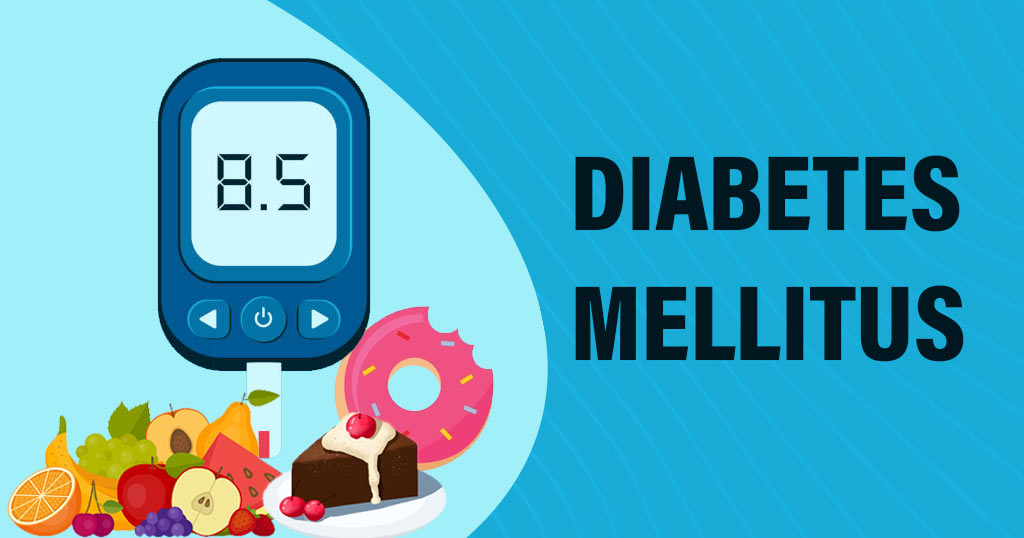
Diabetes Mellitus represents one of the most urgent public health challenges facing global healthcare systems. Affecting over 500 million children, adolescents, and adults worldwide, this complex metabolic disorder is characterized by persistent hyperglycemia resulting from defects in insulin secretion, insulin sensitivity, or both. Left unmanaged, Diabetes Mellitus accelerates vascular damage, serving as a primary driver of cardiovascular disease, end-stage renal disease, adult-onset blindness, and non-traumatic lower-limb amputations. Addressing this growing epidemic requires continuous clinical research, early diagnostic screening, and equitable access to modern therapeutics.
The platform plays an essential role in disseminating clinical discoveries to the international medical community. By highlighting peer-reviewed studies across endocrinology, epidemiology, and patient care, the Diabetes Mellitus Journal bridges laboratory insights with clinical practice, empowering healthcare professionals to optimize outcomes for patients worldwide.
The Global Burden and Classification of Diabetes Mellitus
The worldwide prevalence of Diabetes Mellitus continues to rise due to aging populations, urbanization, dietary shifts toward ultra-processed foods, and sedentary lifestyles. Understanding the distinct underlying mechanisms of its primary classifications is crucial for targeted clinical intervention.
Type 1 Diabetes Mellitus: Autoimmune Mechanisms
Type 1 Diabetes Mellitus stems from an autoimmune destruction of insulin-producing pancreatic beta cells, leading to near-total endogenous insulin deficiency. While historically diagnosed predominantly in pediatric populations, clinical tracking shows a significant proportion of cases emerging during adulthood (Latent Autoimmune Diabetes in Adults, or LADA). Patients require lifelong exogenous insulin therapy and careful blood glucose management to survive and prevent acute metabolic ketoacidosis.
Type 2 Diabetes Mellitus: Peripheral Insulin Resistance
Accounting for over 90% of global cases, Type 2 Diabetes Mellitus involves peripheral insulin resistance paired with a progressive decline in pancreatic beta-cell secretion. Strongly influenced by genetic factors, visceral adiposity, and systemic low-grade inflammation, Type 2 diabetes often develops insidiously over years. Modern clinical research increasingly views Type 2 diabetes as a spectrum of distinct metabolic sub-phenotypes requiring individualized treatment plans.
Gestational Diabetes and Secondary Variants
Gestational Diabetes Mellitus occurs during pregnancy when placental hormone secretions induce severe insulin resistance. While glycemic parameters often normalize post-delivery, affected individuals face a significantly higher lifetime risk of developing overt Type 2 diabetes. Additionally, monogenic variants such as Maturity-Onset Diabetes of the Young (MODY) highlight the importance of genetic testing in establishing accurate diagnoses.
Innovations in Diabetes Diagnosis and Early Screening
Early detection of Diabetes Mellitus is vital to prevent irreversible microvascular and macrovascular complications before clinical symptoms become severe.
Standardized Diagnostic Criteria
Modern diagnostic screening relies on four primary laboratory metrics:
- Fasting Plasma Glucose (FPG): $\ge 126\text{ mg/dL}$ ($7.0\text{ mmol/L}$) after an 8-hour fast.
- Glycated Hemoglobin (HbA1c): $\ge 6.5\%$ ($48\text{ mmol/mol}$), reflecting average blood glucose over 2 to 3 months.
- Oral Glucose Tolerance Test (OGTT): 2-hour plasma glucose $\ge 200\text{ mg/dL}$ ($11.1\text{ mmol/L}$) following a 75-gram oral glucose load.
- Random Plasma Glucose: $\ge 200\text{ mg/dL}$ ($11.1\text{ mmol/L}$) in patients presenting with classic hyperglycemic symptoms (polyuria, polydipsia, unexplained weight loss).
Emerging Biomarkers and Autoantibody Panels
Screening for autoantibodies (including GAD, IA-2, and ZnT8) allows clinicians to detect early stage-1 Type 1 Diabetes Mellitus long before clinical beta-cell loss occurs. Furthermore, continuous biomarker research into microRNA patterns, kidney injury molecules, and advanced glycation end-products (AGEs) is helping predict individual risk for diabetic nephropathy and retinopathy.

Breakthroughs in Diabetes Treatment and Technology
Pharmacological strategies for Type 2 Diabetes Mellitus have shifted from simple blood glucose lowering toward comprehensive cardiorenal protection and metabolic risk management.
| Treatment Category | Primary Mechanism | Key Clinical Benefits |
| GLP-1 Receptor Agonists | Mimics incretin hormones to stimulate glucose-dependent insulin secretion | Robust glycemic control, weight loss, and cardiovascular risk reduction |
| Dual GLP-1 / GIP Agonists | Activates dual incretin receptors to enhance nutrient-stimulated insulin release | Unprecedented reductions in HbA1c and substantial body weight loss |
| SGLT2 Inhibitors | Blocks renal glucose reabsorption in proximal convoluted tubules | Reduces heart failure hospitalizations and slows chronic kidney disease progression |
| Automated Insulin Delivery (AID) | Integrates Continuous Glucose Monitors (CGM) with smart insulin pumps | Minimizes glycemic variability and reduces nocturnal hypoglycemia |
Automated Insulin Delivery and CGM Technology
Continuous Glucose Monitoring (CGM) devices track interstitial glucose levels in real time, shifting clinical evaluation from static HbA1c values to dynamic Time-in-Range (TIR) metrics ($70\text{–}180\text{ mg/dL}$). When paired with automated algorithms, closed-loop AID systems adjust basal insulin infusion autonomously, significantly reducing the daily self-management burden for individuals living with Type 1 Diabetes Mellitus.
Evidence-Based Prevention and Lifestyle Management
While medical technology continues to advance, structured lifestyle interventions remain a primary defense against Type 2 Diabetes Mellitus.
- Medical Nutrition Therapy (MNT): Individualized dietary frameworks—such as Mediterranean, low-carbohydrate, or plant-based patterns—improve insulin sensitivity and glycemic stability.
- Physical Activity Protocols: Combining 150 minutes of weekly moderate aerobic exercise with resistance training enhances muscle glucose uptake independent of insulin action.
- Diabetes Remission Programs: Clinical trials demonstrate that intensive early lifestyle interventions leading to significant weight loss can induce sustained diabetes remission in individuals with recent-onset Type 2 diabetes.
Conclusion: Fostering Global Academic Collaboration
Addressing the growing global burden of Diabetes Mellitus requires continuous scientific investigation, clinical validation, and transparent publishing. Through rigorous peer review, open publishing, and international editorial standards, the Diabetes Mellitus Journal remains committed to sharing research that informs clinical care and improves patient outcomes worldwide.
Explore Premier Clinical Research: Healthcare professionals, researchers, and academicians are invited to review open-access clinical studies, examine evidence-based guidelines, and submit original research on Diabetes Mellitus.
Frequently Asked Questions (FAQs)
Q1: What is the primary cause of Diabetes Mellitus?
A: The root cause depends on the classification. Type 1 Diabetes Mellitus is an autoimmune disease that destroys pancreatic beta cells. Type 2 Diabetes Mellitus is driven by peripheral insulin resistance paired with progressive decline in insulin secretion, heavily influenced by metabolic factors, genetics, and lifestyle habits.
Q2: How is Diabetes Mellitus diagnosed in clinical practice?
A: Diagnosis is confirmed using Fasting Plasma Glucose ($\ge 126\text{ mg/dL}$), Glycated Hemoglobin ($\text{HbA1c} \ge 6.5\%$), or an Oral Glucose Tolerance Test ($\ge 200\text{ mg/dL}$).
Q3: What is Time-in-Range (TIR) and why is it important?
A: Time-in-Range measures the percentage of time a patient’s glucose level stays within an optimal target window ($70\text{–}180\text{ mg/dL}$). Captured via Continuous Glucose Monitors, TIR offers a detailed view of daily glycemic variability that HbA1c averages alone cannot show.
Q4: How do SGLT2 inhibitors and GLP-1 receptor agonists help patients?
A: Beyond lowering blood glucose levels, these drug classes provide proven cardiorenal protection, reducing heart failure hospitalizations, slowing chronic kidney disease progression, and lowering cardiovascular mortality in patients with Type 2 diabetes.
Q5: Can Type 2 Diabetes Mellitus be prevented or reversed?
A: Yes. Structured lifestyle modifications—including regular exercise and weight management—can reduce the risk of developing Type 2 diabetes by over 58%. In early-stage Type 2 diabetes, significant weight loss through medical nutrition or intervention can lead to clinical remission.
Q6: What is Gestational Diabetes Mellitus?
A: Gestational Diabetes Mellitus is elevated blood glucose first recognized during pregnancy due to placental hormone resistance. Proper screening and management protect maternal-fetal health and reduce long-term metabolic risks for both mother and child.